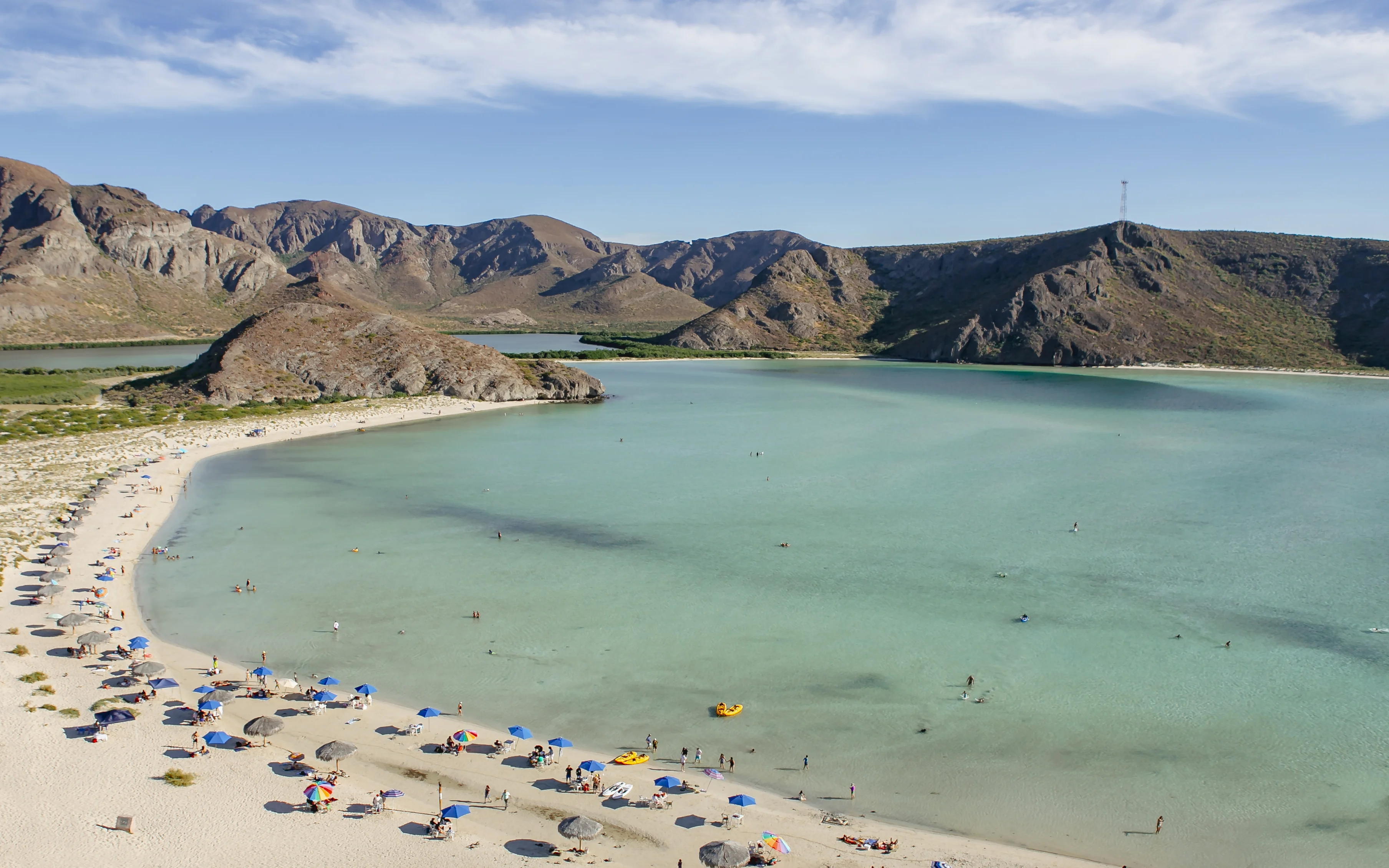
Between February and April, La Paz becomes one of the world's great wildlife spectacles. Here's everything you need to know.
Why La Paz for Whale Watching?
The bays and lagoons of Baja California Sur host one of the world's greatest whale-watching events. Gray whales migrate from Alaska's Bering Sea to the warm, protected lagoons of Baja every winter — traveling roughly 12,000 miles round-trip.
The Season
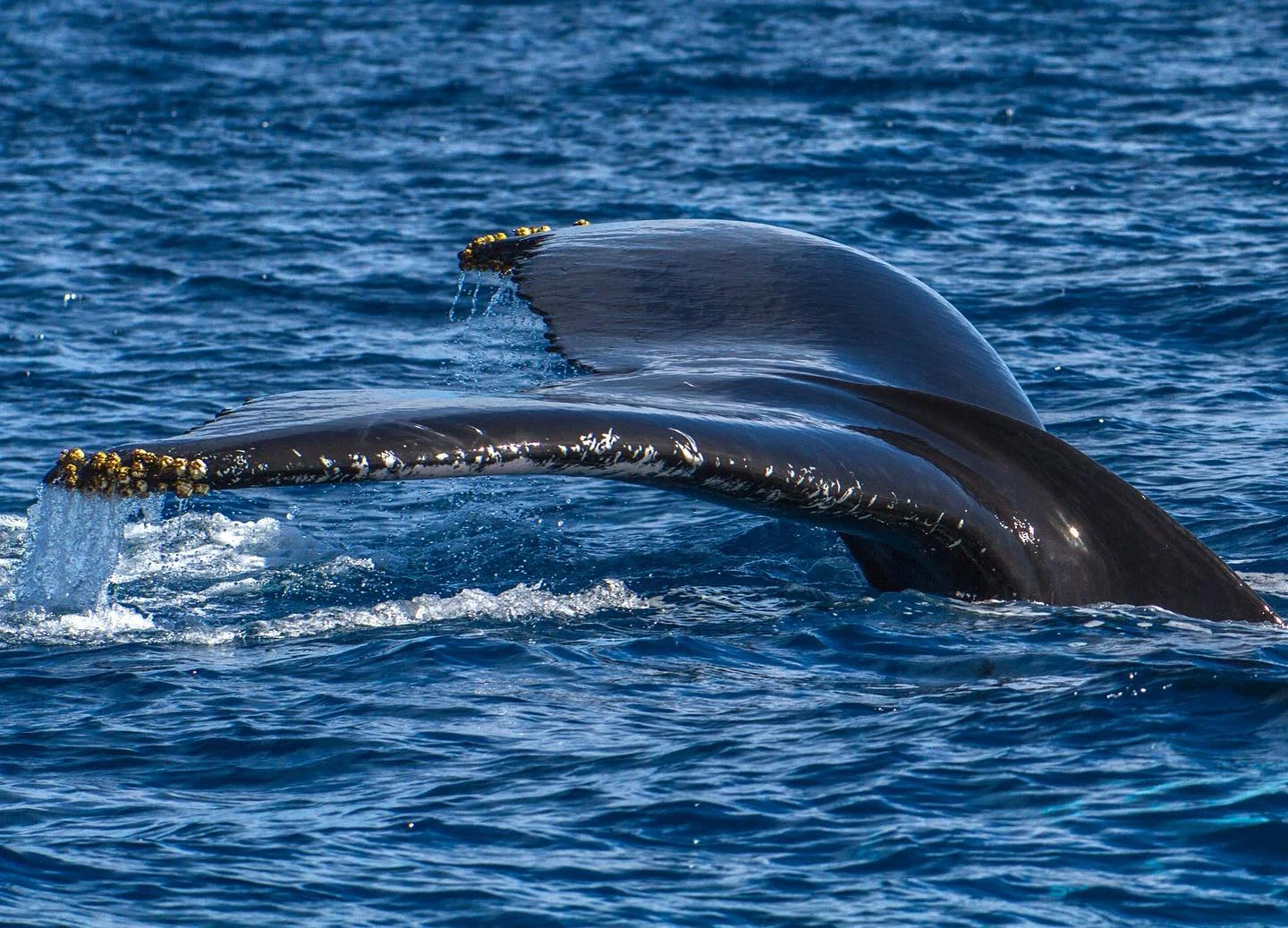
Mid-December through April, with February and March being the peak months. The gray whales calve in the lagoons of Baja's Pacific coast (Guerrero Negro, San Ignacio, Magdalena Bay), but the Sea of Cortez around La Paz hosts humpbacks, blue whales, fin whales, and sperm whales year-round.
Whale Sharks
La Paz Bay hosts the world's largest concentration of whale sharks from October through April. These gentle giants — up to 40 feet long — aggregate in the warm bay waters to feed on plankton. Swimming with whale sharks is a completely different experience from whale watching: you're in the water with them, 3 feet from a creature the size of a school bus.
Getting There
Fly into Los Cabos and drive two hours north on Highway 1. Or fly directly into Manuel Márquez de León International Airport in La Paz. The town itself — the malecón, the fish tacos, the unhurried pace — is reason enough to make the trip.