
Baja California Sur · Mexico
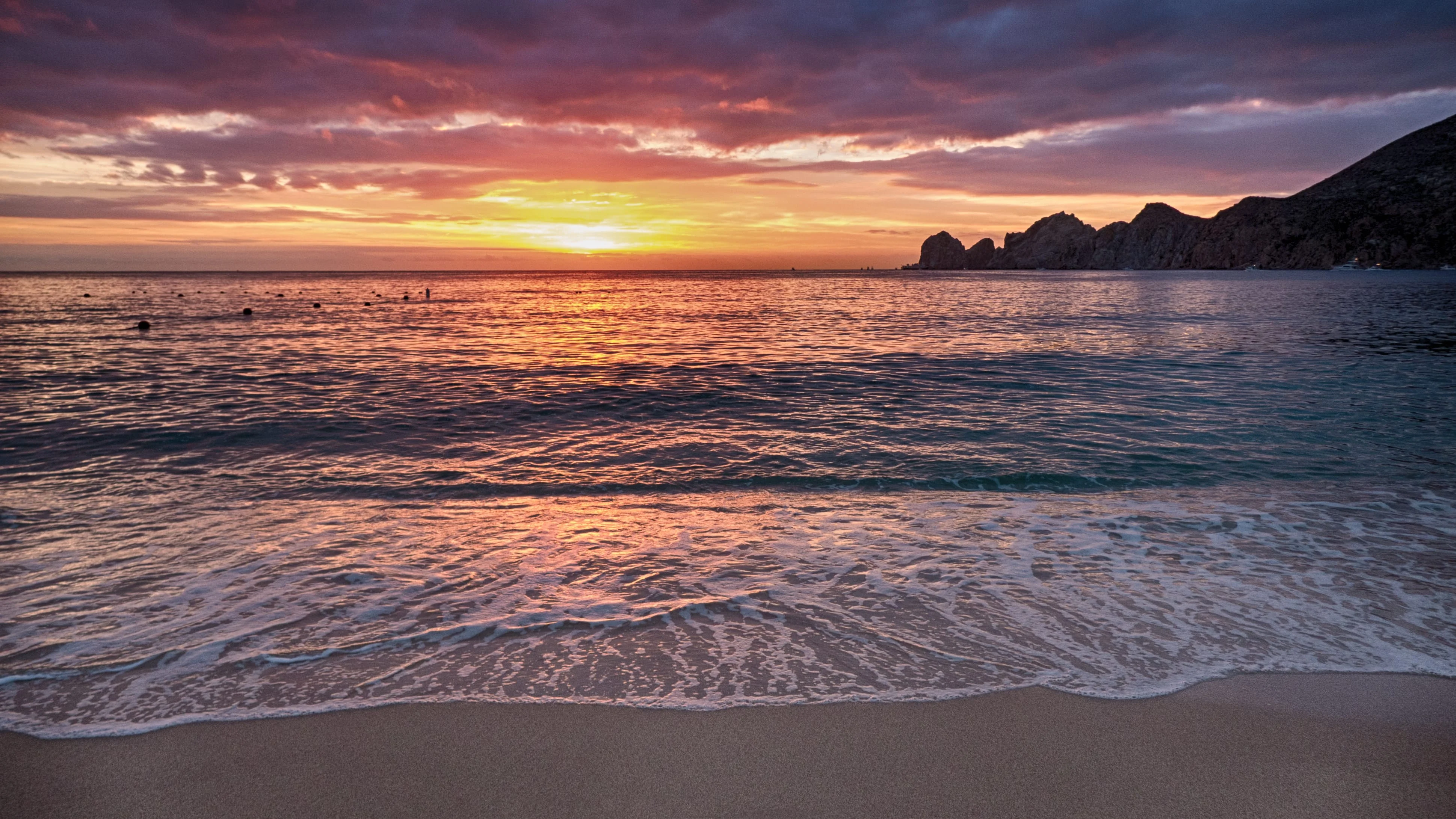
Golden light.
Endless horizon.
This is Los Cabos.
From the storied Arch of Cabo San Lucas to the surf-soaked dunes of Cerritos Beach — your guide to the resorts, restaurants, nightlife, and adventures that make this coastline unforgettable.
Curated for You
Everything Cabo has to offer
Seven hand-curated categories covering every way to experience the Baja California Sur coastline — from the resorts you'll sleep in to the sportfishing boats you'll board at dawn. Everything is personally researched by our editorial team.


Quick Facts
Los Cabos at a Glance
Bryan Rayburn — Founder & Editor-in-Chief, Best of Cabo
Travel writer and Baja California Sur specialist · 10+ years of on-the-ground research across Los Cabos, La Paz, and Todos Santos · Personally visited and vetted 20+ resorts, 25+ restaurants, and all five destination towns covered on this site · Founder, Rayburn Media Group ·
- 01Location: Southern tip of the Baja California Peninsula, 1,000 miles south of the U.S. border — where the Pacific Ocean meets the Sea of Cortez.
- 02Your choice of base: Cabo San Lucas (marina, nightlife, mega-resorts) or San José del Cabo (colonial streets, art galleries, boutique hotels) — 20 miles apart.
- 03Best season for your trip: November through April, when temperatures hold at 75°F–85°F (24°C–29°C) and rainfall is near zero (NOAA climate data).
- 04Your airport: Los Cabos International (SJD) — direct flights from most U.S. and Canadian cities. West Coast travelers arrive in under 3 hours.
- 05Your currency: Mexican peso (MXN), but you can pay in USD at nearly every hotel, restaurant, and tour operator in the tourist corridor.
- 06What you can do here: world-class sportfishing, gray whale watching (Dec–Apr), whale shark snorkeling near La Paz, surfing at Cerritos Beach, and Art District dining in San José.
Country: Mexico · State: Baja California Sur · Airport: SJD · Language: Spanish (English widely spoken) · Currency: MXN and USD accepted · Best season: November through April · U.S. State Dept. advisory: Level 2 (exercise normal precautions in tourist zones)
Tourists annually
Los Cabos welcomed over 4 million international visitors in 2023, making it Mexico's fastest-growing resort destination.
Source: SECTUR Mexico Tourism Statistics
Average trip spend (USD)
The average Los Cabos visitor spends approximately $2,500–$3,500 per trip on flights, accommodation, dining, and activities.
Source: Los Cabos Tourism Authority
Days of sunshine per year
The Baja Peninsula averages over 330 sunny days per year — one of the highest rates of any coastal destination in North America.
Sportfishing destination, Mexico
Los Cabos consistently ranks as Mexico's top sportfishing destination, drawing 100,000+ anglers annually. The Sea of Cortez — called 'the world's aquarium' by Jacques Cousteau — holds marlin, dorado, yellowfin tuna, and wahoo year-round.
Source: Los Cabos Tourism data
Distinct destination towns covered
Best of Cabo covers all five major Baja California Sur destinations: Cabo San Lucas, San José del Cabo, La Paz, Todos Santos, and Cerritos Beach — with 100+ personally researched listings across resorts, dining, activities, and entertainment.
Source: Best of Cabo editorial research
Where to Go
Explore the towns of Baja's golden coast
Each town carries its own rhythm — from marina glamour to bohemian surf culture. Discover what makes each one worth the trip.
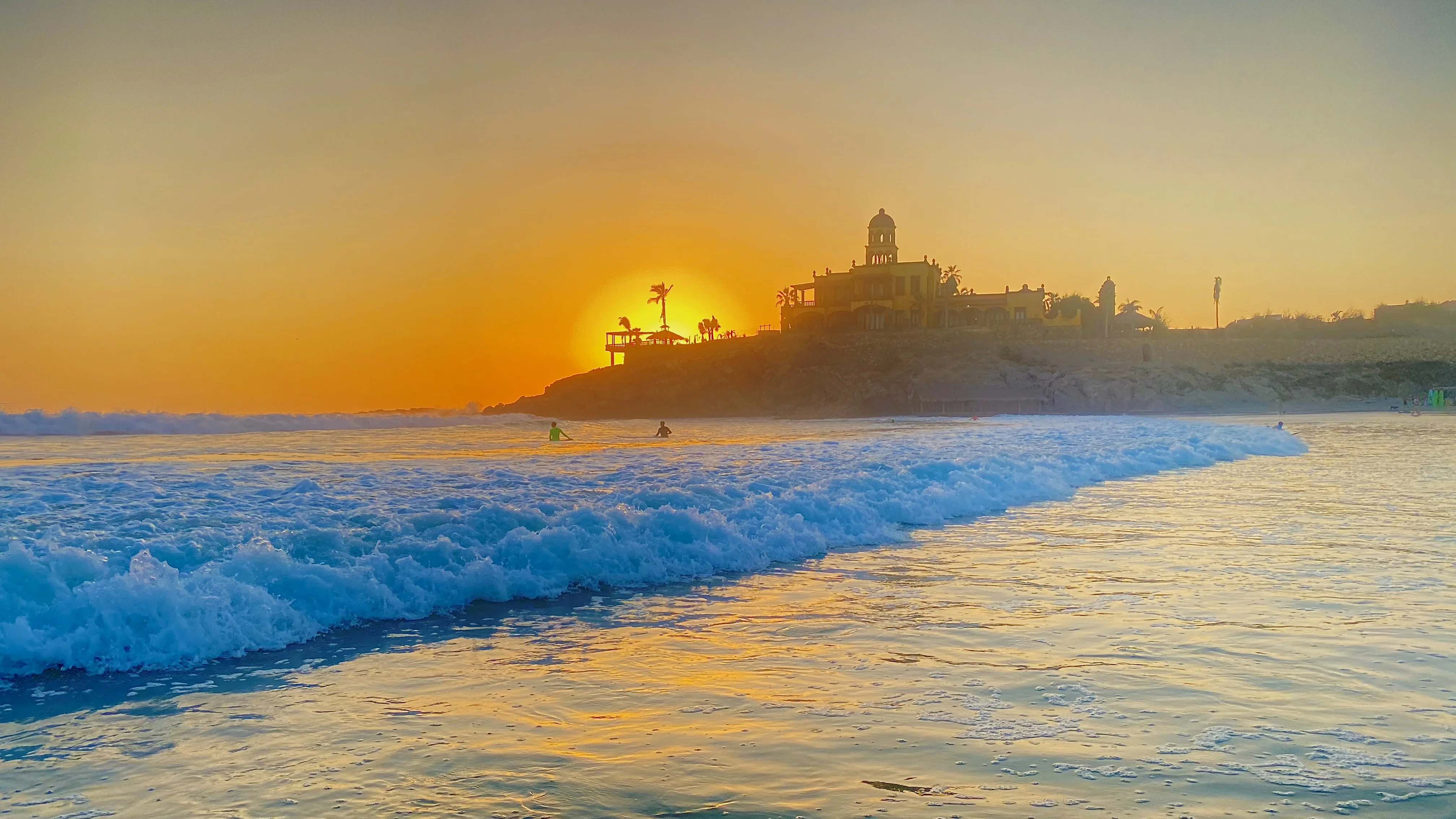
Cabo San Lucas for nightlife and fishing. San José del Cabo for art and colonial dining. La Paz for whale sharks and the Sea of Cortez. Todos Santos for surf and Pueblo Mágico culture. Cerritos Beach for Pacific sunsets and uncrowded waves.


Two Cabos, One Peninsula
What Is the Difference Between Cabo San Lucas and San José del Cabo?
Cabo San Lucas offers legendary nightlife, world-class sportfishing, and sprawling all-inclusive resorts along Médano Beach. San José del Cabo gives you a quieter, colonial alternative — cobblestone streets, art galleries, and farm-to-table dining. The two towns are 20 miles apart and feel like different worlds.
Cabo San Lucas holds roughly 70% of the region's hotel inventory (Los Cabos Tourism Board, 2024), while San José has seen boutique hotel growth of 15%+ annually. If this is your first visit, the marina energy of Cabo San Lucas is hard to beat. On the other hand, if you've been before, San José's thriving Art District will genuinely surprise you.
The best Los Cabos trip combines both. Spend a few nights in the energy of Cabo San Lucas, then slow down for a day or two in San José. Add a side trip to La Paz or Todos Santos if you want to see the real Baja.
In our experience, budget-focused travelers consistently find that basing in San José del Cabo gives better value and a more walkable town center. Travel writers and long-term expats almost universally point to San José as the more livable, culturally rich destination.
| Category | Cabo San Lucas | San José del Cabo |
|---|---|---|
| Vibe | Party, marina, resort row | Colonial, arts, relaxed |
| Main Beach | Médano — swimmable, lively | Estero Beach — dramatic, not safe for swimming |
| Dining | Beachfront clubs, tourist cantinas | Art District bistros, farm-to-table |
| Nightlife | Legendary (Cabo Wabo, Squid Roe) | Low-key wine bars, rooftop lounges |
| Resorts | Mega all-inclusives, marina hotels | Boutique hotels, small luxury properties |
| Shopping | Souvenir strip, marina shops | Art galleries, artisan markets |
| Families | Yes — best with a pool resort plan | Naturally quieter, easier to walk |
| Budget | Mid-to-high; peaks Dec–Apr | Mid-to-high; better value off-strip |
Reference: Wikipedia — Los Cabos Municipality
Five Destinations
Five towns on Baja's golden coast
From the Arch of Cabo San Lucas to the whale sharks of La Paz — each town offers something completely different.
Trip Planning
How to Plan Your Los Cabos Trip
Los Cabos is one of Mexico's most accessible international destinations for North American travelers. Los Cabos International Airport (SJD) receives direct flights from over 30 U.S. and Canadian cities, with most West Coast flights under 3 hours. No visa is required for U.S. or Canadian citizens — only a valid passport and a tourist card (FMM), which airlines issue automatically on international flights.
The U.S. dollar is accepted at most hotels, restaurants, and tour operators, though carrying pesos gives better rates at local markets and taco stands. For example, a traveler flying from Los Angeles can land at SJD, clear customs, and be poolside at a Cabo San Lucas resort within 4 hours of leaving home — making Los Cabos a realistic long-weekend destination, not just a week-long commitment.
- 1
Choose your base town
Your first decision: Cabo San Lucas (nightlife, fishing, all-inclusives), San José del Cabo (colonial charm, boutique hotels, Art District dining), or the Tourist Corridor (luxury resorts mid-way between the two). If this is your first trip, Cabo San Lucas gives you the most convenient access to the region's highlights.
- 2
Book flights into SJD early
Los Cabos International Airport (SJD) receives direct flights from most U.S. and Canadian cities. Book your flights 3–4 months ahead for peak season (November through April) to lock in the best fares. Southwest, American, Delta, United, Alaska, and WestJet all operate direct routes.
- 3
Arrange your airport transfer before landing
Book your private shuttle or hotel pickup before you arrive — the SJD arrival hall has aggressive timeshare representatives. Licensed private shuttles are your safest and most reliable option. Uber operates in the area but is not officially permitted at the airport curb.
- 4
Pair your Cabo stay with a night in San José
Even if you're based in Cabo San Lucas, plan at least one evening in San José del Cabo's Art District for dinner. The 20-mile drive along the Tourist Corridor takes about 30 minutes. The colonial contrast — cobblestones, galleries, candlelit restaurants — will surprise you.
- 5
Add a Baja day trip
Build in one excursion beyond the corridor so you see more of Baja. La Paz is 2 hours north and offers whale shark encounters (Oct–Apr) and Isla Espíritu Santo sea-kayaking. Todos Santos Pueblo Mágico is 45 minutes north with a legendary hotel, surf breaks, and a thriving art scene.
The Case for Los Cabos
Why Visit Los Cabos?
Where Nature Meets Luxury
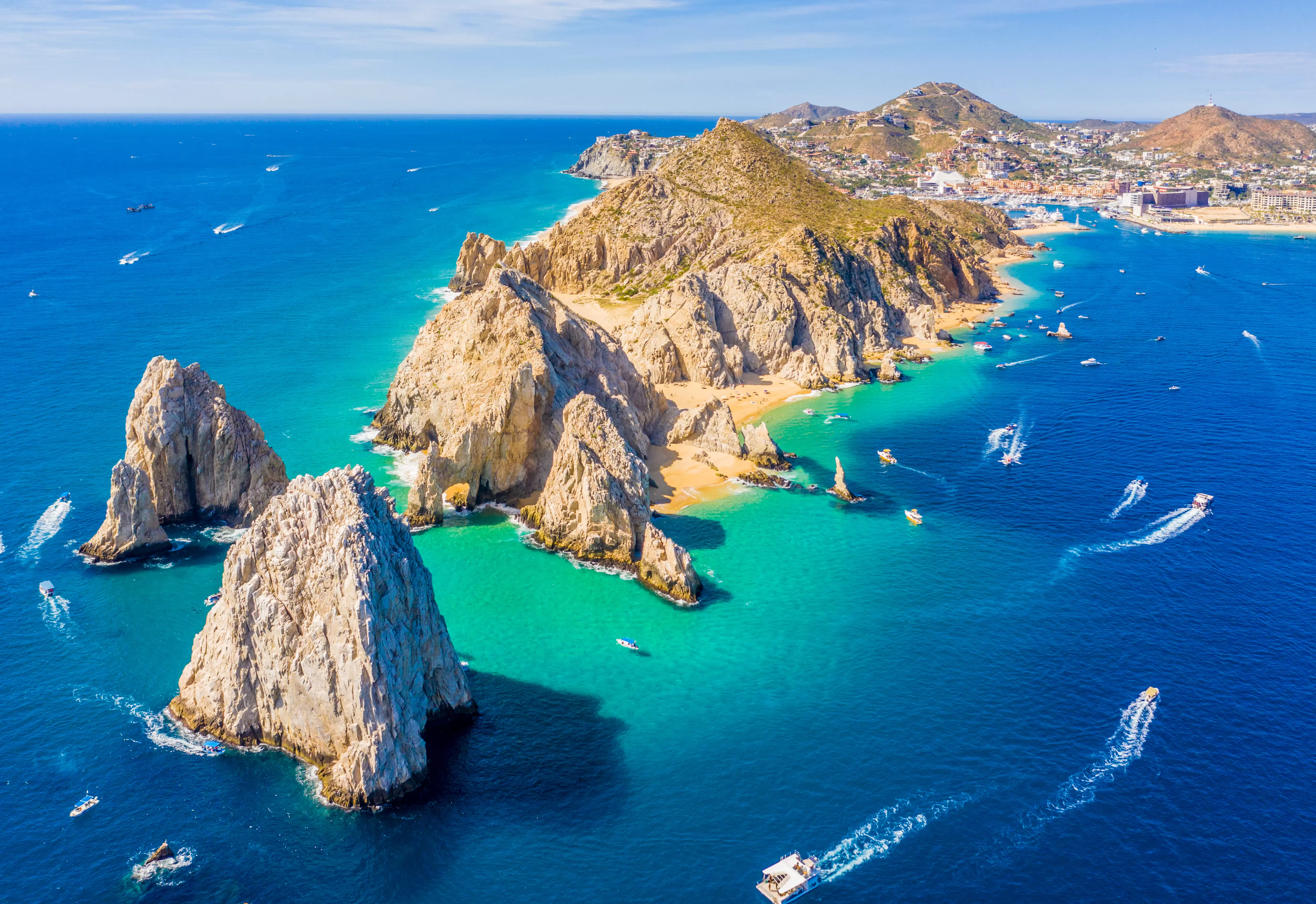
Few destinations place desert mountains, a legendary sportfishing marina, and two contrasting oceans within a 20-mile stretch — all accessible to you on the same trip. The Arch of Cabo San Lucas, where Pacific swells crash against the Sea of Cortez, is a natural landmark unlike anything you'll find in the Caribbean or Mediterranean.
Our research across 100+ Los Cabos listings shows that visitors consistently cite the diversity of experiences as the single biggest differentiator — from whale-watching at dawn to Michelin-caliber dining by candlelight.
According to the Mexico Tourism Board (SECTUR, 2024), Los Cabos ranks among the top three international destinations for North American luxury travelers. It has held that position for over a decade. That said, some travel writers argue that overdevelopment along the Tourist Corridor has diluted what made the region special. We think the answer lies in where you look. Venture 45 minutes north to Todos Santos and the original Baja still exists, largely untouched.
When to Go and Why It Matters
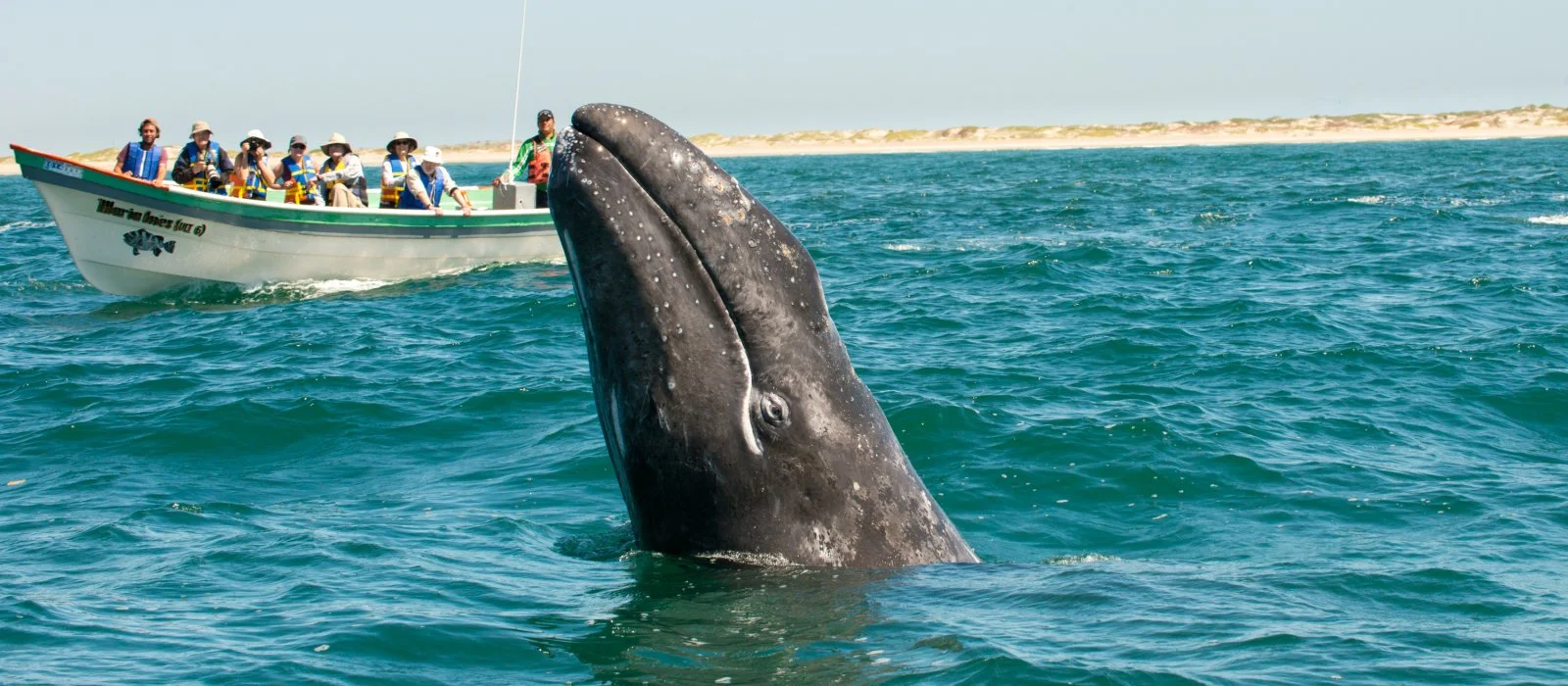
The November–April dry season is peak travel for good reason. Temperatures hold steady between 70°F–85°F (21°C–29°C), humidity is low, and the Sea of Cortez calms down for snorkeling and kayaking (NOAA, Cabo San Lucas climate normals). Gray whales migrate through December–April — making whale watching a genuine highlight if you visit during those months.
Summer months (July–September) bring humidity and hurricane-season swells. But hotel rates drop 30–40% compared to peak season (Best of Cabo rate tracking, 2024), and Cerritos Beach sees its best surf of the year. If your schedule is flexible, shoulder season — October or late April — gives you the best combination of good weather, smaller crowds, and your strongest value for money.
Best season: Nov–Apr · Peak whale watching: Dec–Apr · Best surf: Jul–Sep · Hurricane risk: Aug–Oct
- Best Season
- Nov – Apr
- Peak Whale Watching
- Dec – Apr
- Best Surf
- Jul – Sep
- Hurricane Risk
- Aug – Oct
01 — Stay
Resorts & hotels that rival anywhere on earth
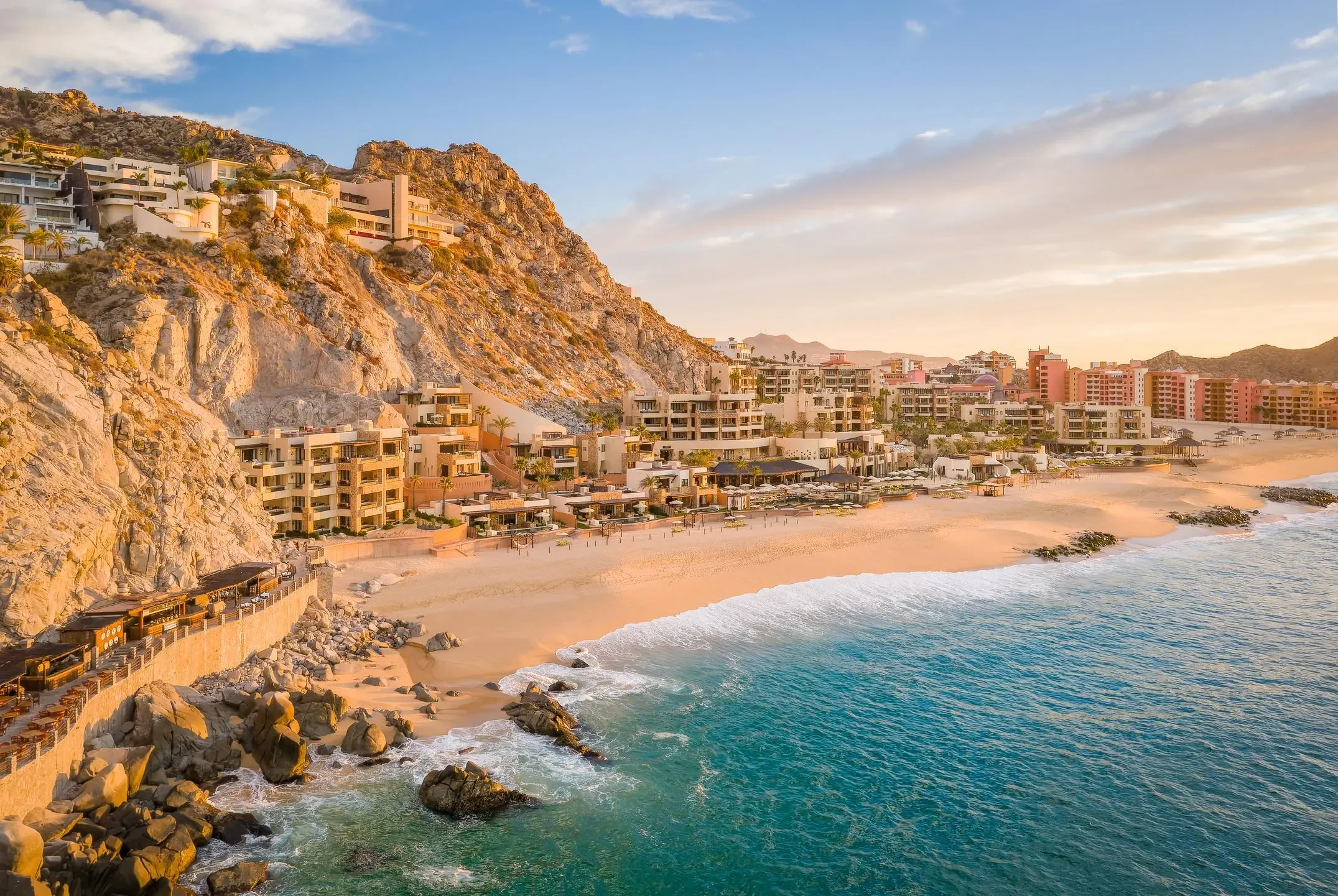
Cliffside infinity pools, oceanfront suites, and barefoot-luxury boutique stays — we've personally vetted over 20 properties across all five Baja towns to narrow down where to actually book. From Waldorf Astoria Los Cabos Pedregal to small beachfront boutique hotels in Todos Santos, every budget and travel style is covered.
View Resorts & Hotels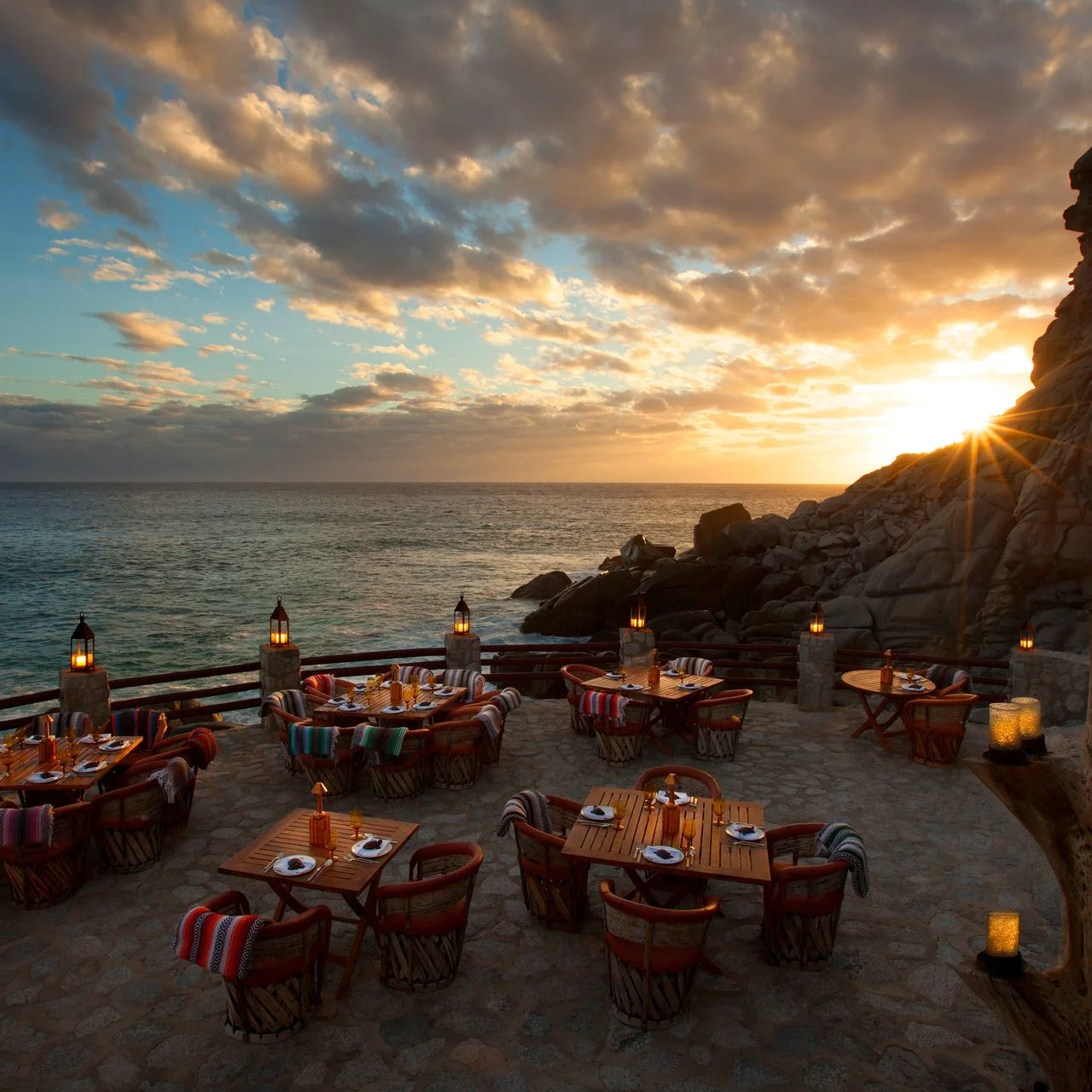
02 — Eat
From taco carts to candlelit tasting menus
Baja's coastline is a chef's playground — Pacific catch, Sonoran beef, and centuries of Mexican culinary tradition. We've eaten our way through 25+ restaurants across Cabo San Lucas, San José del Cabo's Art District, and Todos Santos to map the spots locals actually return to, from open-fire taco stands to James Beard-recognized tasting menus.
Explore Restaurants & Dining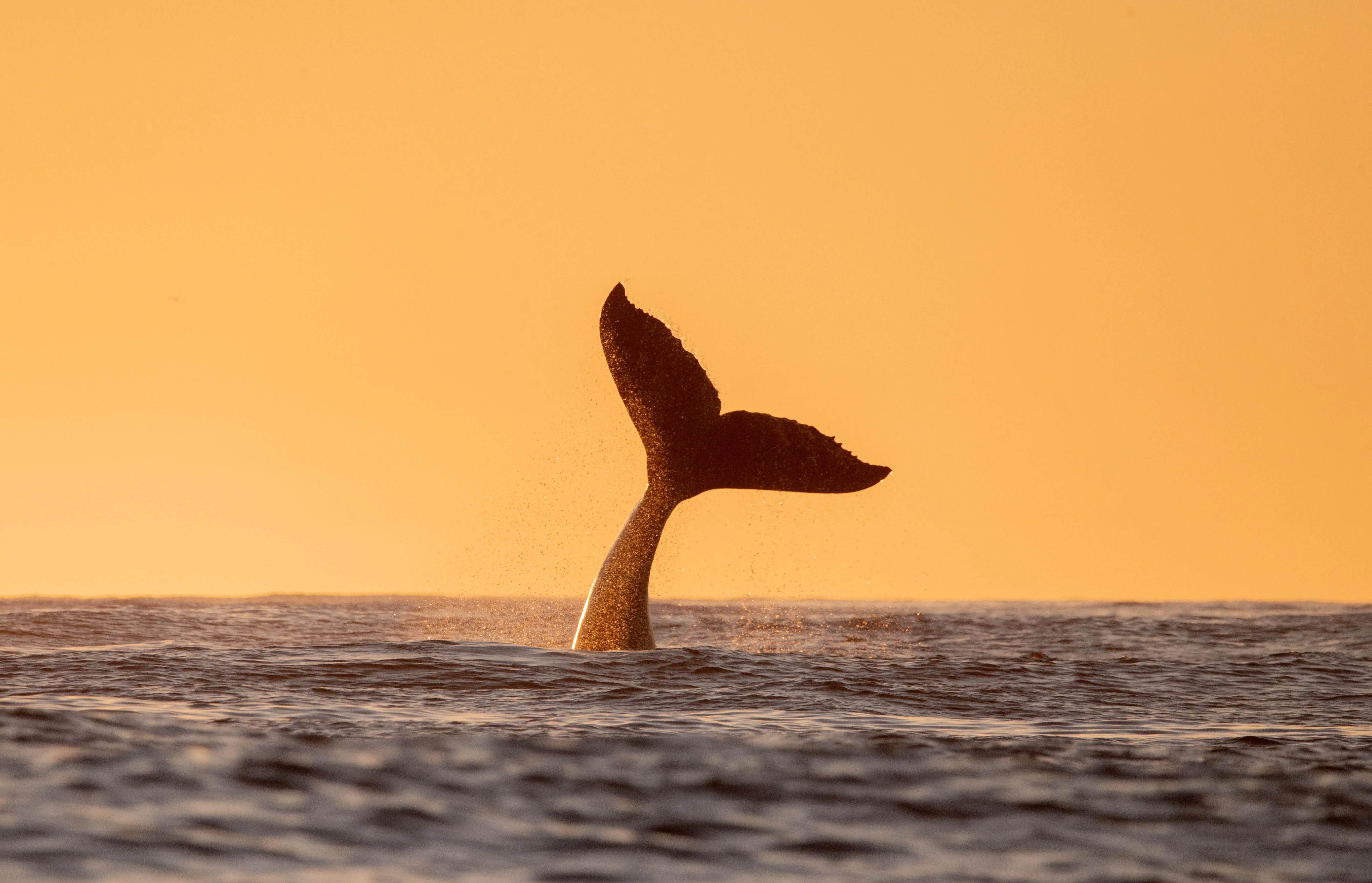
03 — Play
Whale watching at dawn. Sunset cruises at dusk.
Marlin runs, gray whale migrations, snorkeling with sea lions, and golden-hour sailing — the Sea of Cortez is one of the most biologically diverse bodies of water on the planet. Jacques Cousteau called it the world's aquarium. We cover every way to experience it: sportfishing charters, whale shark encounters near La Paz, catamaran cruises, and surf breaks at Cerritos Beach.
Discover Activities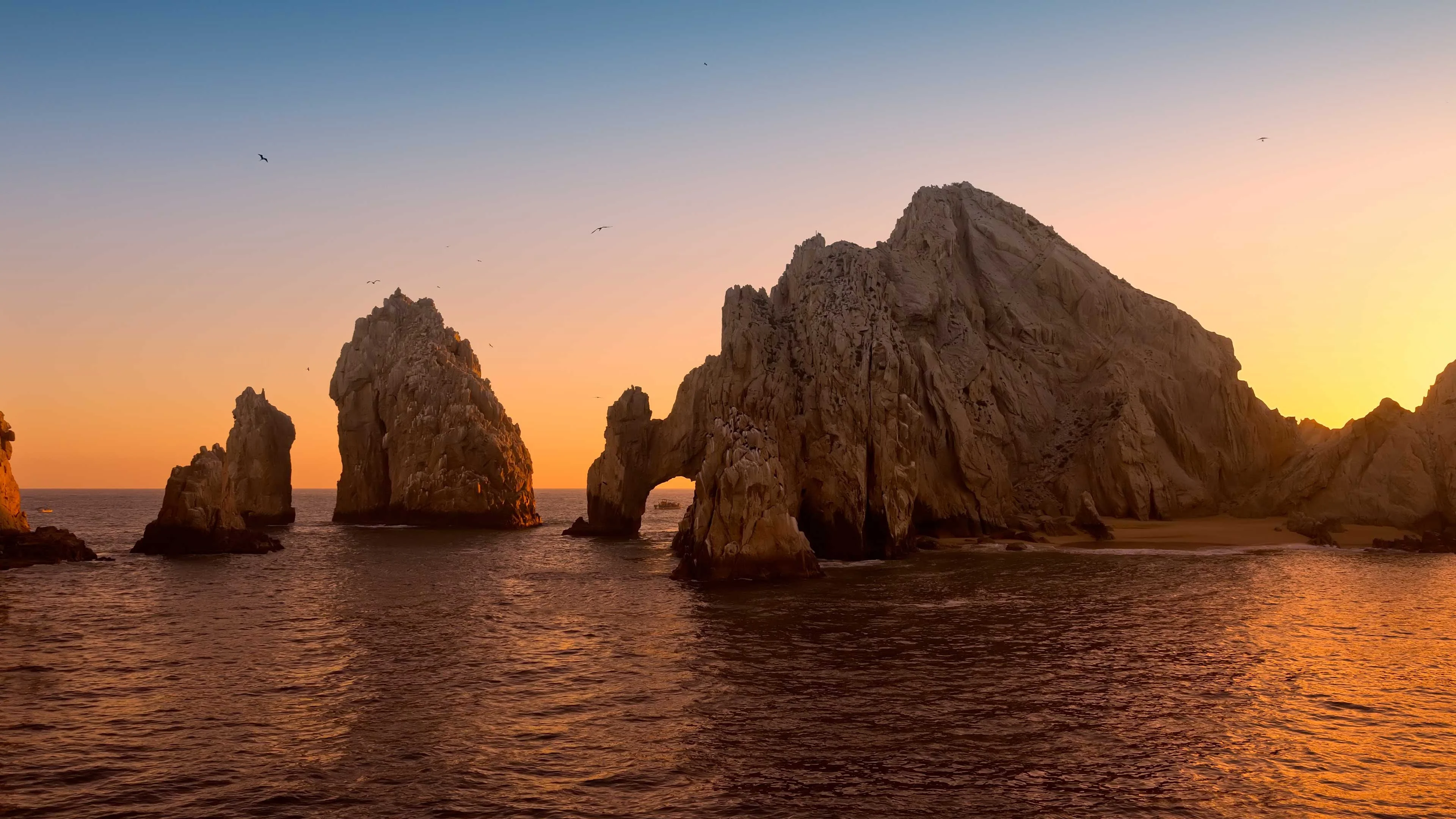
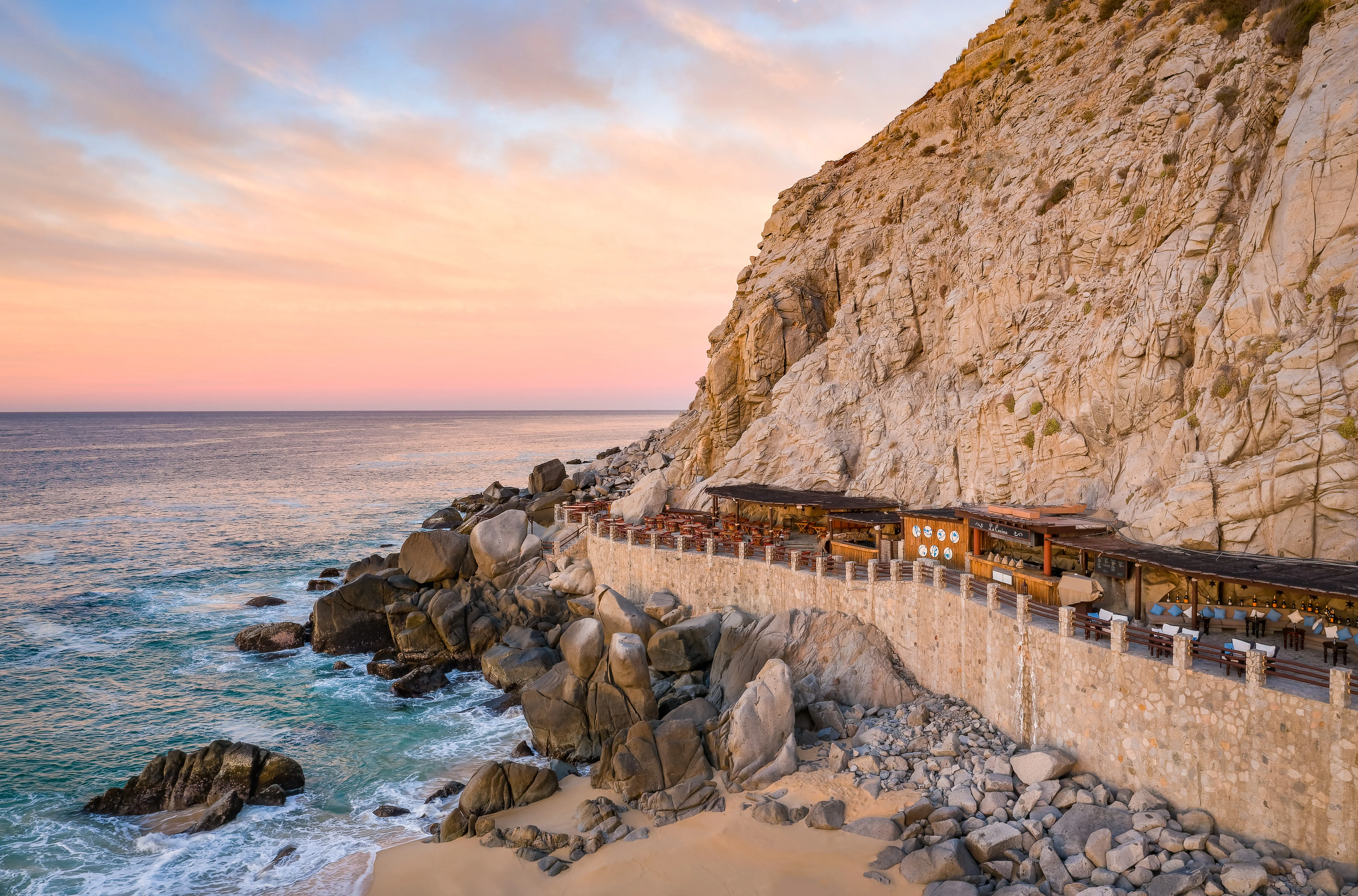
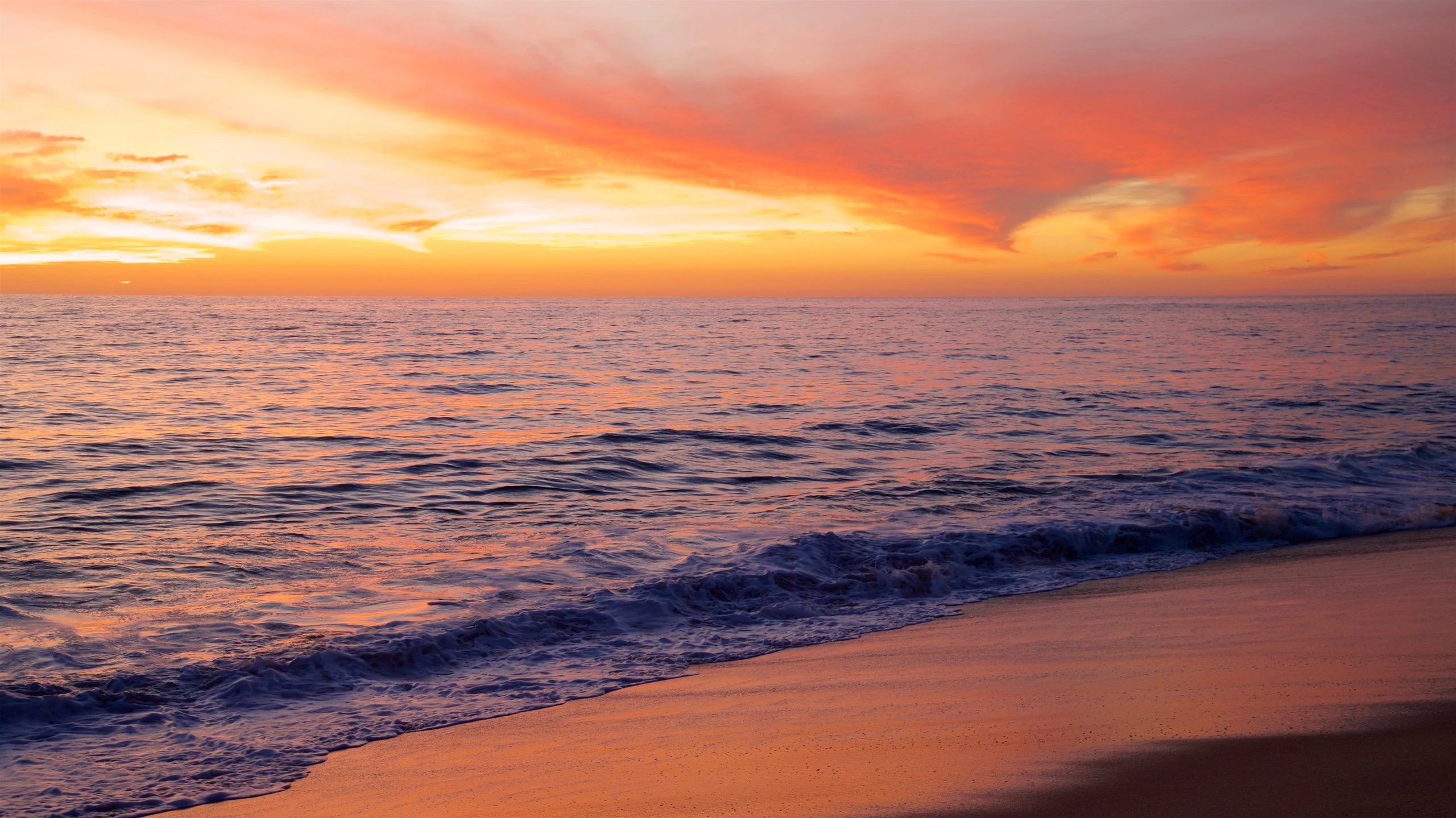
There's a particular shade of orange that only happens here — where the desert meets the Sea of Cortez and the whole sky seems to catch fire.
Beyond the Beach
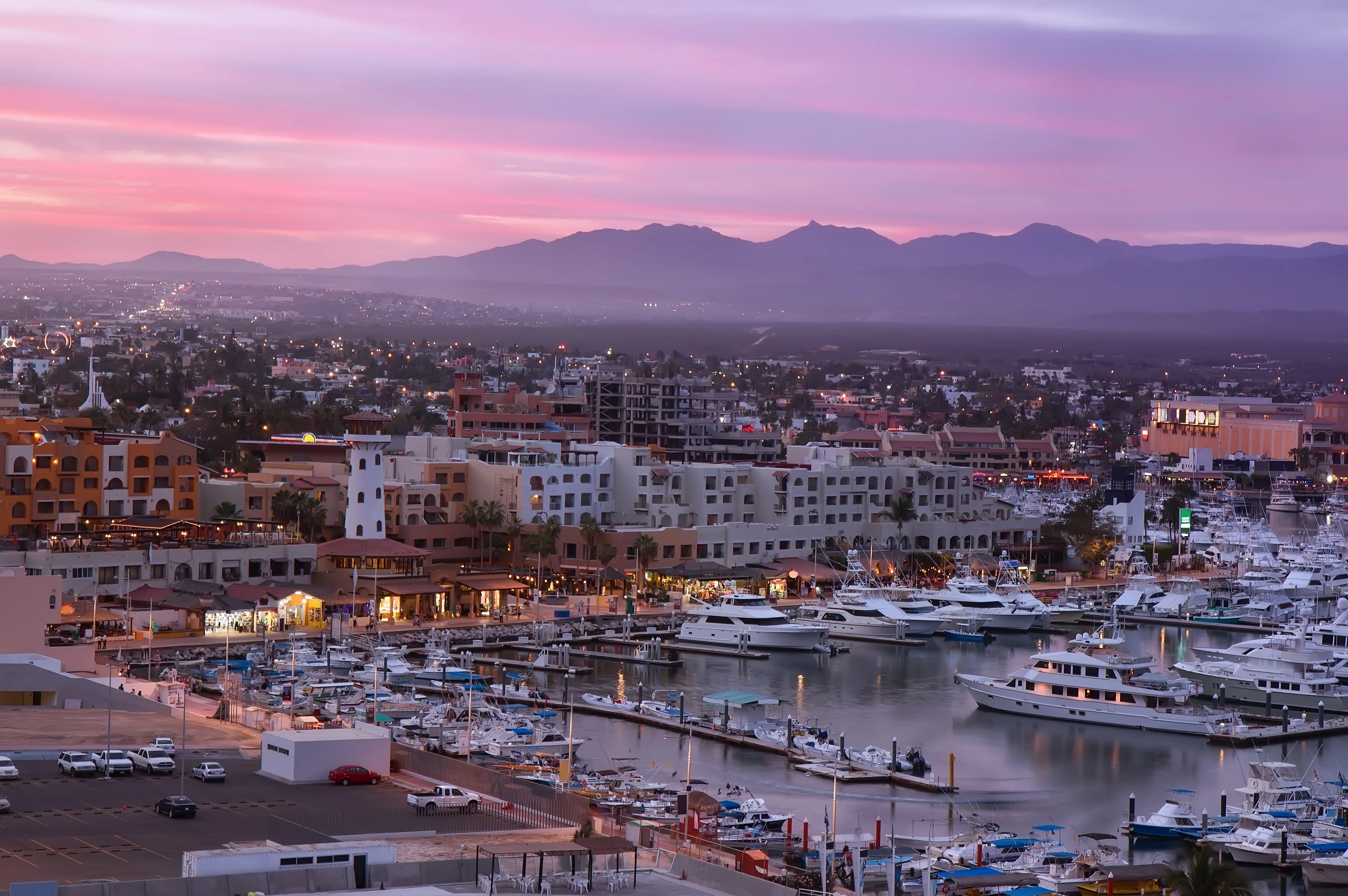
Nightlife, services & real estate
— everything to live the Baja life
Baja in Motion
Los Cabos Through Our Lens
Pancho: The Marina's Most Famous Resident
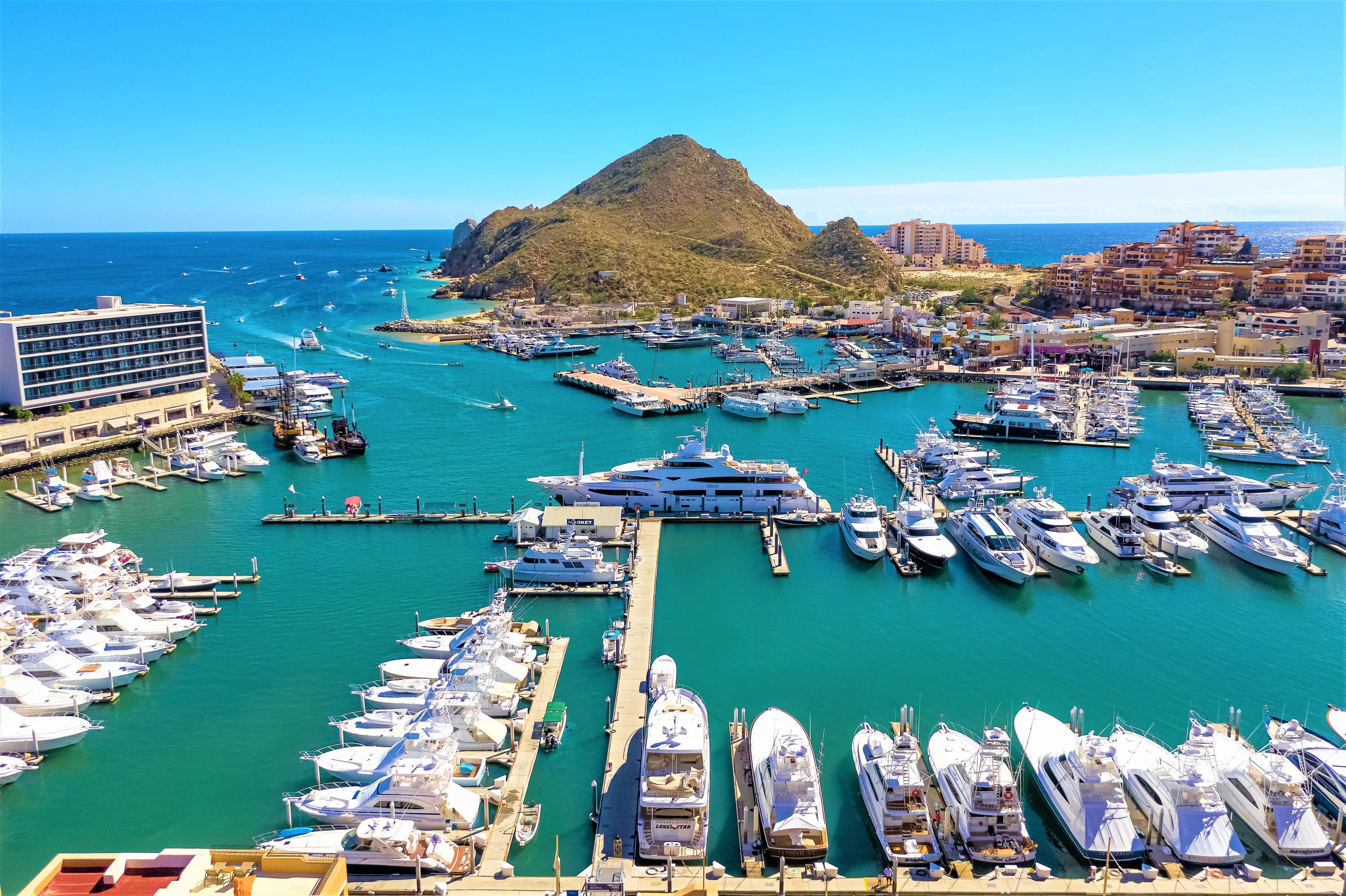
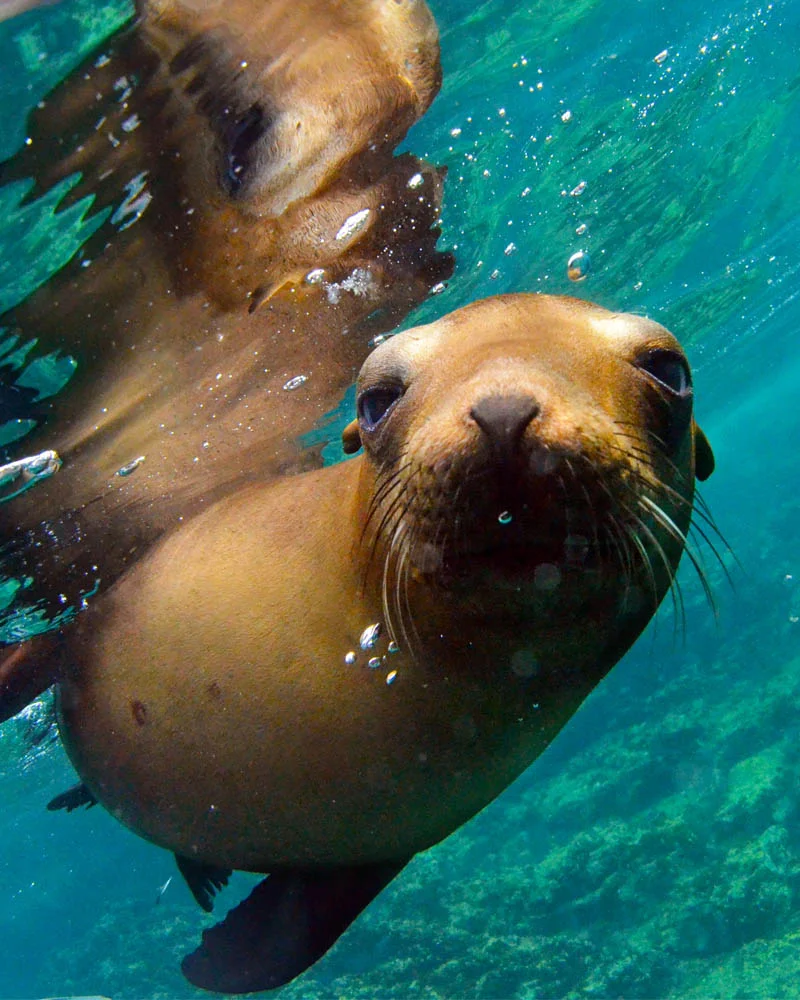
For years, a massive California sea lion has been pulling off one of the most charming cons in Baja California Sur. Locals call him Pancho. His game: position himself at the marina, wait for a sportfishing boat to return with its catch, then hitch a ride on the transom and demand a cut of the haul. Captains tolerate him. Tourists love him. Pancho answers to no one.
His legend peaked when he was caught on video stealing a Dorado — a prized game fish — directly off the weigh station during a major fishing tournament. The clip went viral, racking up 5.8 million views (source: CaboSanLucasFishing.com) and cementing his reputation as the Sea of Cortez's most brazen opportunist. The fishing community, rather than being annoyed, mostly laughed. Pancho had earned his place in the story.
His fame grew large enough to earn official recognition: a bronze statuenow stands in his honor at Paseo de la Marina, the entrance to Plaza Bonita — a popular photo stop for visitors who may never spot the real Pancho but want proof they were in his territory. There is even a bilingual children's book, Pancho in/en Cabo, devoted to his adventures.
- Weight
- ~850 lbs
- Species
- California Sea Lion
- Viral video
- 5.8M views — tournament fish steal
- Marina landmark
- Bronze statue, Paseo de la Marina
- Habitat
- Cabo San Lucas Marina & Sea of Cortez
- Children's book
- Pancho in/en Cabo
Sources: CaboSanLucasFishing.com · Solmar Resort Blog
Common Questions
Frequently Asked Questions About Los Cabos
Summary
Key Takeaways: Everything You Need to Know About Los Cabos
Los Cabos is a premier international destination at the southern tip of Mexico's Baja California Peninsula — where desert landscapes, Pacific surf, and the calm Sea of Cortez converge. The region encompasses Cabo San Lucas, San José del Cabo, La Paz, Todos Santos, and Cerritos Beach, each with a distinct character and visitor appeal.
- Best time to visit:November through April (dry season)
- Closest airport:Los Cabos International (SJD)
- Currency:Mexican Peso (MXN) — USD widely accepted
- Language:Spanish — English spoken in all tourist areas
- Safety rating:U.S. State Dept. Level 2 — same as many European countries
- Top experiences:Sportfishing, whale watching, sunset cruises, farm-to-table dining
Our Editorial Verdict
After years of personally researching and vetting properties across the Baja California Sur coastline, we believe Los Cabos offers the most complete luxury travel experience in Mexico. It isn't for everyone. If you want party-free tranquility, look elsewhere. If you want nightlife, nature, and Michelin-grade dining within the same 20-mile stretch, you'll find it here.
If you want dramatic desert-meets-ocean scenery, world-class fishing, and genuine Mexican culture within easy reach of your resort, the southern tip of Baja California Sur consistently delivers. Use Best of Cabo to go beyond the tourist strip — your most memorable moments are usually in the details.
Insider Access
The Best of Cabo, in your inbox
Curated recommendations, hidden gems, and golden-hour dispatches from Baja California Sur — delivered when it matters.
Covering Los Cabos, La Paz, Todos Santos, Cerritos Beach, and the full Baja California Sur coastline. Resort openings, seasonal travel advisories, dining reviews, and itineraries — free, no spam.
No spam. Unsubscribe anytime.
Start Planning
Your golden hour in Baja is waiting.
Get the full Best of Cabo travel guide — itineraries, insider picks, and the towns you shouldn't skip.
Best of Cabo covers five Baja California Sur destinations — Cabo San Lucas, San José del Cabo, La Paz, Todos Santos, and Cerritos Beach — with 20+ curated resorts, 25+ restaurants, and every major activity category, all personally researched.